

Ways to Celebrate Hispanic Heritage Month Through Art, Literacy, STEM, & Play
Hispanic Heritage Month, celebrated September 15–October 15, is a meaningful opportunity to introduce children to the rich cultures, stories, artists, traditions & contributions of Hispanic and Latino communities.

Over the years, I’ve explored Hispanic and Latino heritage through some of my favorite picture books, artists and hands-on invitation using art, STEM, loose parts, math & literacy to help children make meaningful connections.
Here is a collection of some of my favorite ways to celebrate Hispanic Heritage Month through play!
I introduced children to Mexican artist Diego Rivera through the exploration of still life painting.
Inspired by his artwork, I set out fresh flowers alongside paper, paint & brushes, inviting children to observe the colors, shapes and details they saw before creating their own still life compositions.
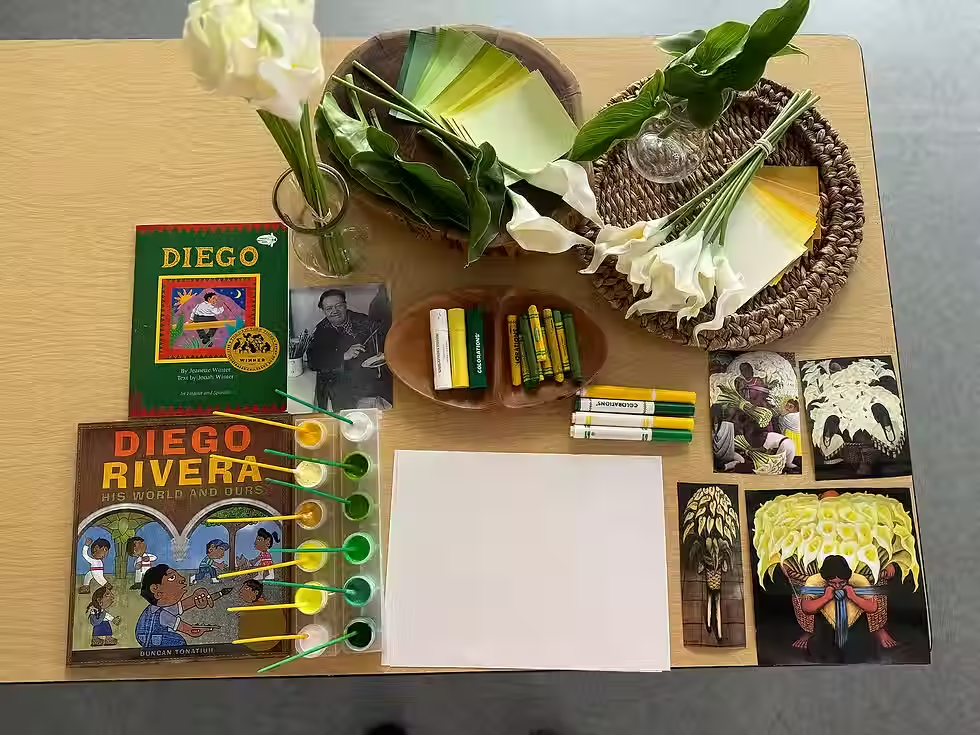
This simple invitation combined art appreciation with observation, color exploration & creative expression.
I explored the life, artwork & iconic style of Mexican artist Frida Kahlo through 10+ hands-on invitations inspired by her self-portraits, flowers, nature & vibrant use of color.
From process art and portraiture to mirrors, loose parts & sensory exploration, these open-ended invitations offered children meaningful ways to explore Frida Kahlo’s work while encouraging creativity, identity & self-expression.
I celebrated Mexican American singer Selena Quintanilla through a hands-on STEM and small world invitation inspired by her life, music & legacy.
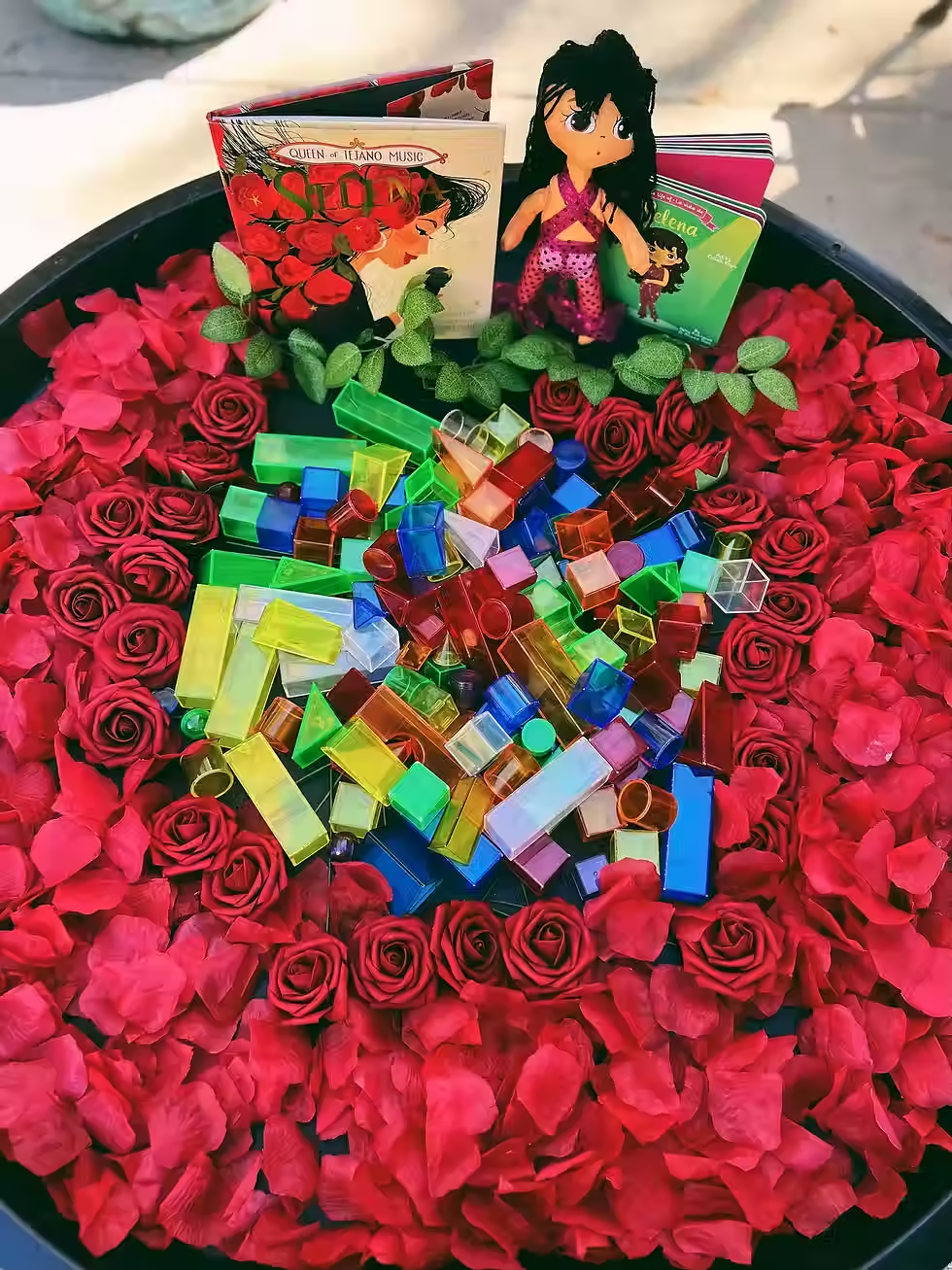
This playful experience offered children another way to connect with an influential Mexican American artist while incorporating building, creating & imaginative play.
Inspired by Paletero Man by Lucky Diaz, I extended the story beyond the pages and into play with a colorful art invitation inspired by paletas!

Children explored color, shape & creativity while connecting their artwork to this joyful story celebrating community, culture & the vibrant streets of Los Angeles.
Round Is a Tortilla: A Book of Shapes by Roseanne Greenfield Thong offered a playful jumping-off point for exploring shapes through objects rooted in Latino culture.

I extended the story with a hands-on invitation that encouraged children to identify, explore & create with shapes while making connections to the objects found throughout the book.
Inspired by Green Is a Chile Pepper: A Book of Colors by Roseanne Greenfield Thong, I created a collaborative art invitation centered around color.
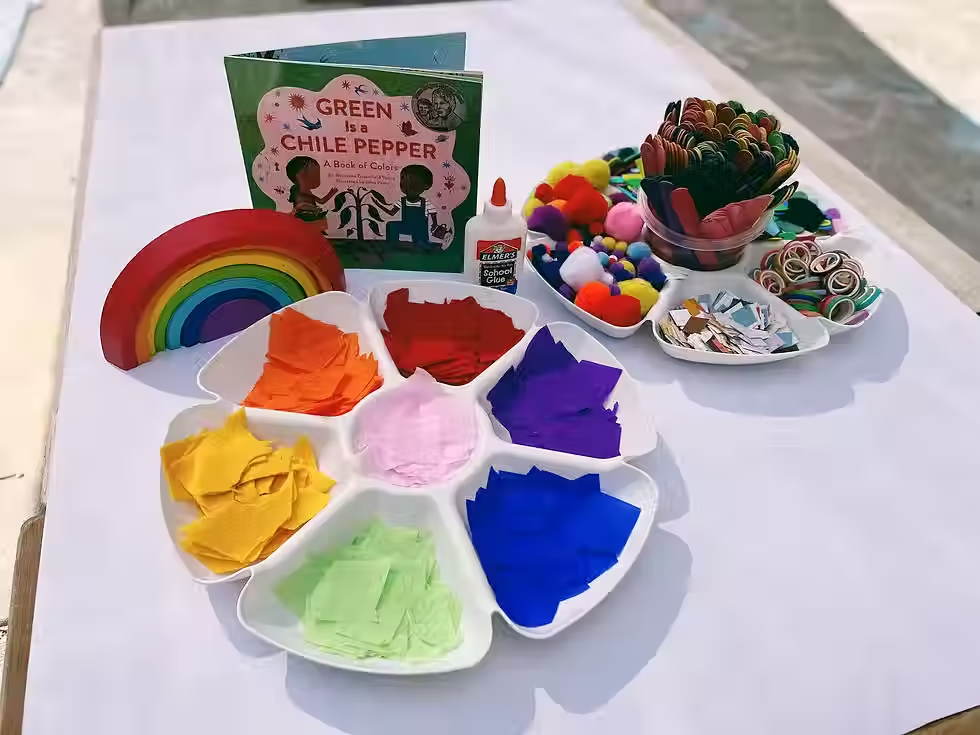
Drawing inspiration from the colorful foods, celebrations and everyday objects found throughout the story, this invitation brought color, culture & creativity together.
My Two Border Towns by David Bowles offers a beautiful glimpse into life along the U.S.–Mexico border and the connection between communities on both sides.

I extended the story through a STEM invitation that encouraged children to build, create & explore ideas of community, place and connection.
Inspired by Yuyi Morales' Dreamers, I explored the monarch butterfly as a powerful symbol of migration, movement, transformation & hope.

Through monarch butterfly art, I created an opportunity for children to explore ideas of journeys, belonging, family & the experiences shared within this beautiful story.
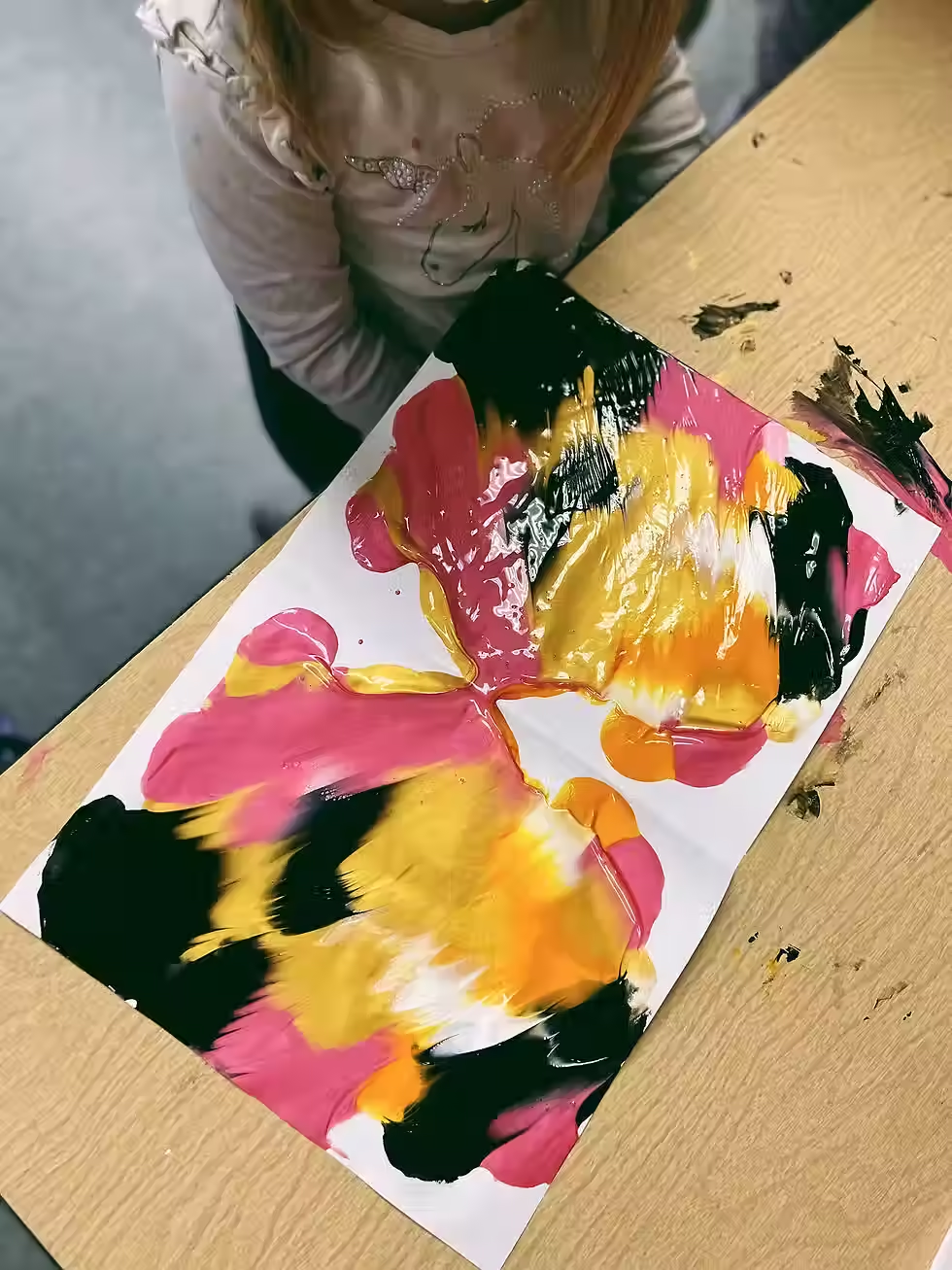
Inspired by One Is a Piñata: A Book of Numbers by Roseanne Greenfield Thong, I brought math and literacy together through loose parts play.

I paired the story with colorful loose parts and numerals, inviting children to count and place the corresponding number of pieces with each number.
This simple invitation strengthened counting, number recognition & one-to-one correspondence while extending the book through hands-on play.

Hispanic Heritage Month offers so many opportunities to give children meaningful ways to explore stories, artists, music & culture through hands-on experiences.
Through these invitations, I hope to create opportunities for children to experience Hispanic and Latino culture in ways that are meaningful, creative & engaging, connecting literacy, art, STEM, math and culture through the power of play.


Comments