

2 Ways to Paint on the 2-Way Easel
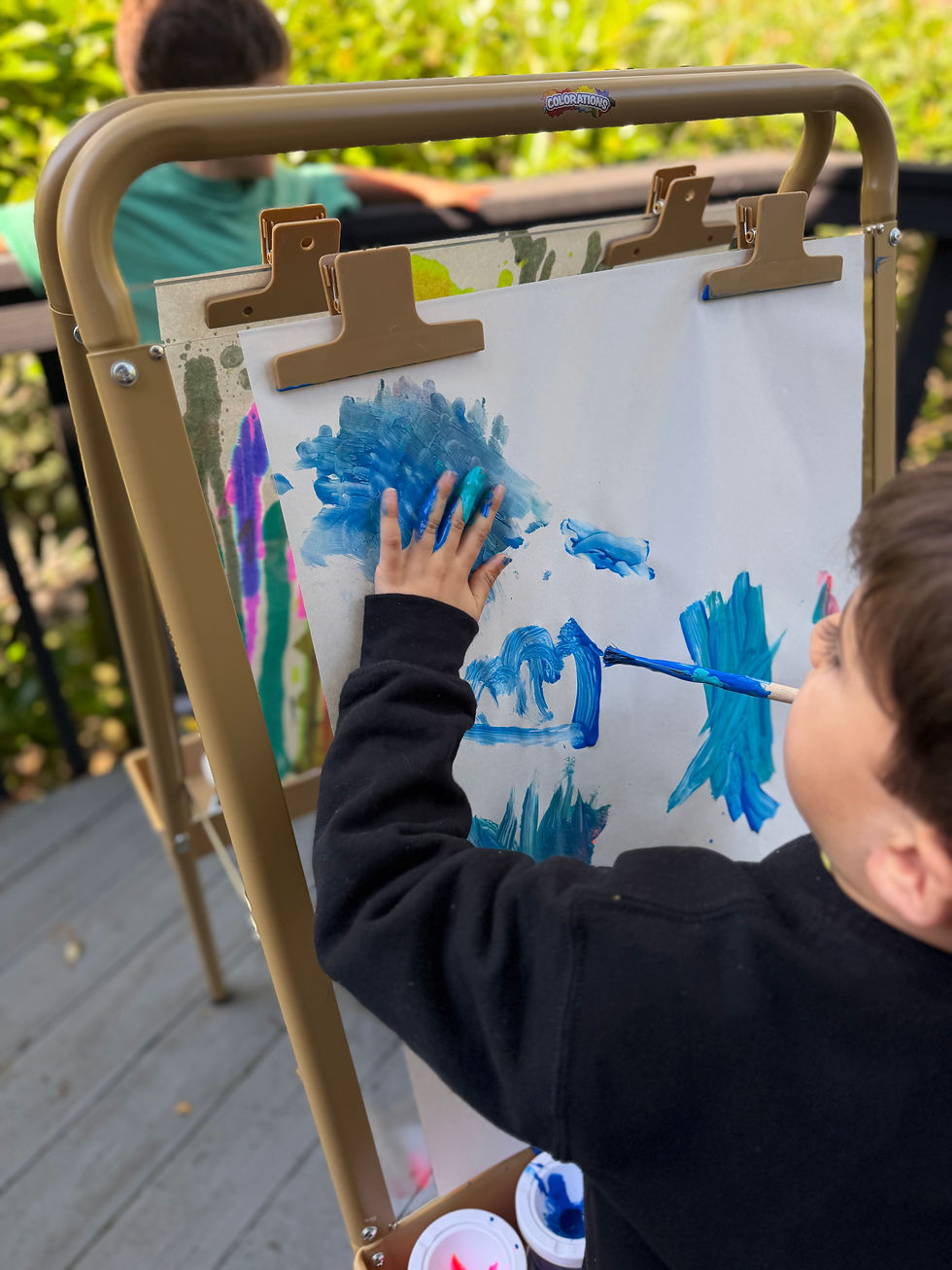
Easel painting offers children a unique, full-body creative experience that goes beyond traditional tabletop art. Standing at an easel encourages proper posture, engages core muscles, and allows for broader arm movements, which helps develop gross motor skills and coordination. The vertical surface also supports visual tracking and hand-eye coordination, making it easier for children to control brush strokes and explore different painting techniques with confidence.
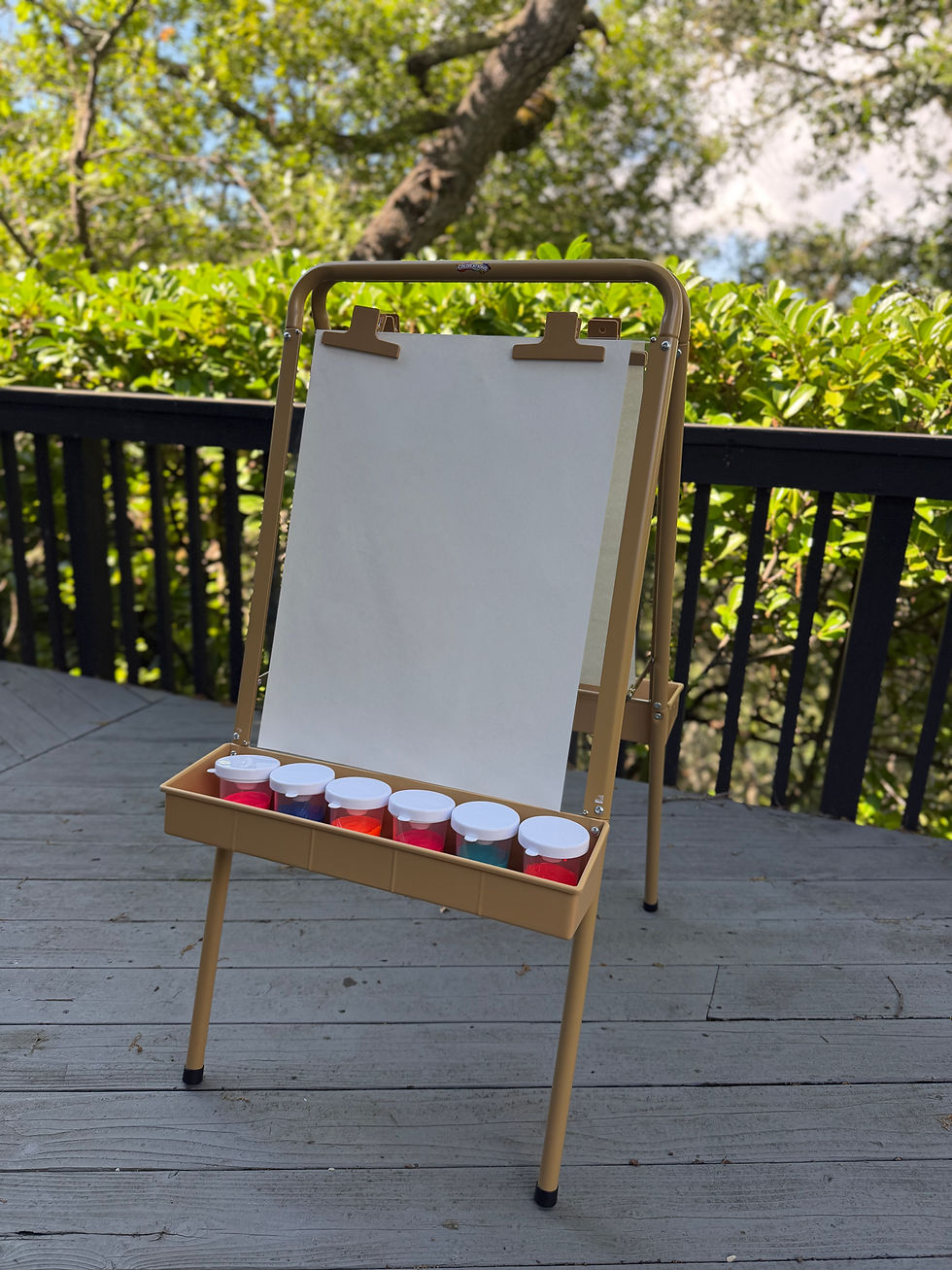
Beyond the physical benefits, easel painting nurtures creativity, independence, and self-expression. With a dedicated space to create, children are more likely to immerse themselves in the process, experiment freely, and make their own artistic choices. It also naturally supports social interaction when shared, encouraging collaboration, communication, and the joy of creating side by side.
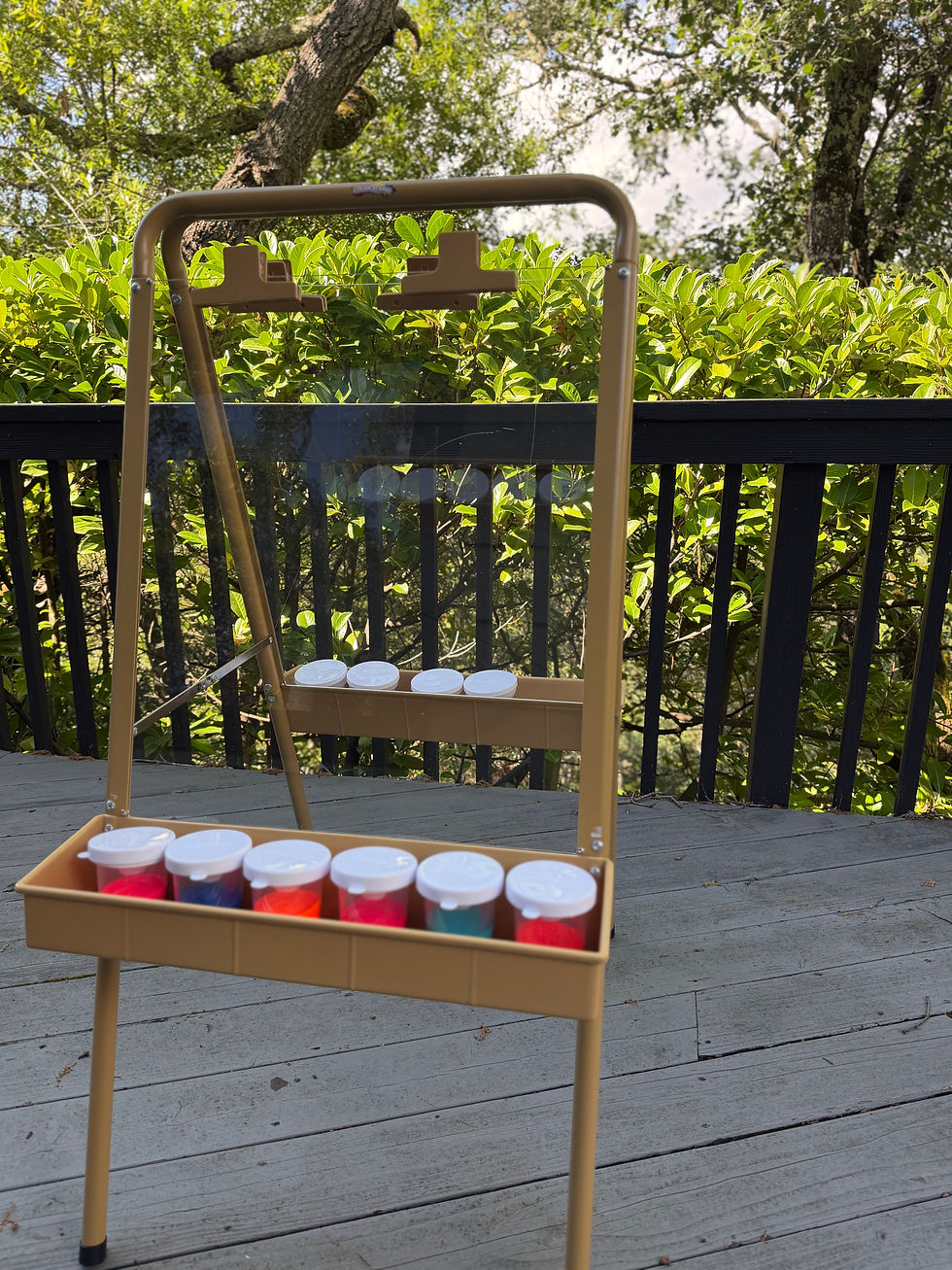
Here are two ways to paint on the Colorations® 2-Way Indoor / Outdoor Acrylic Panel Easel. This durable, double-sided acrylic easel is designed for indoor and outdoor use, allowing two children to paint simultaneously on reusable, easy-to-clean panels while keeping supplies organized and within reach.

1. Invitation to Paint- This traditional setup invites children to explore painting with easel paint brushes as their primary tool. Fluorescent paint is poured into Colorations® No-Spill White Lid Paint Cups and paired with easel paper, offering children a familiar yet engaging opportunity to experiment with color, brush control, and expressive mark-making.


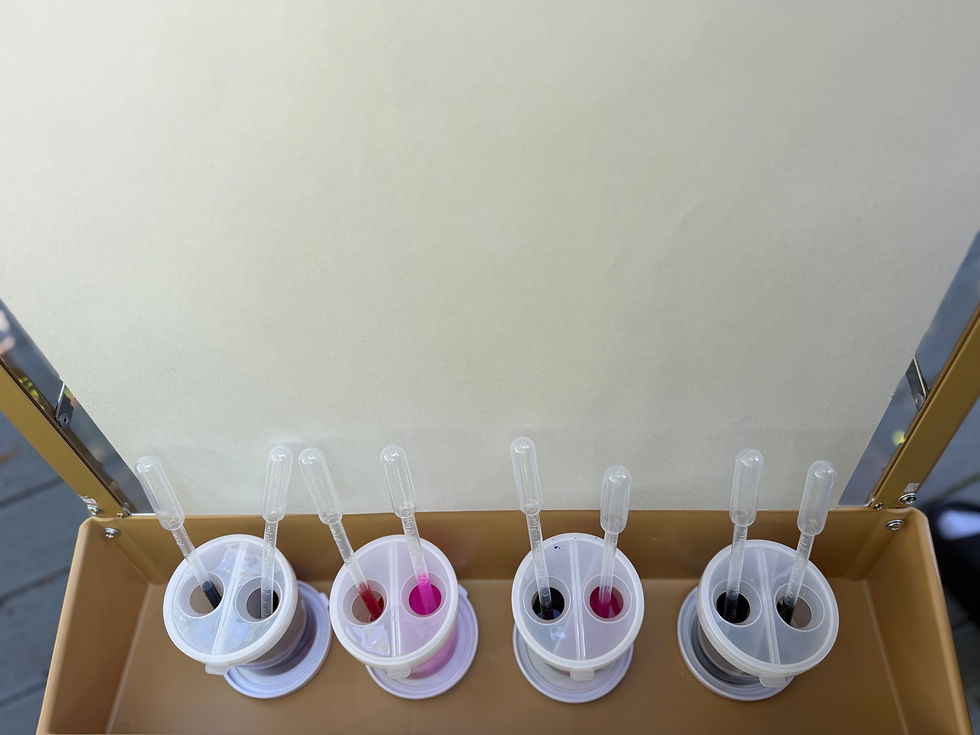
2. Gravity Painting-This open-ended STEAM experience shifts the focus from brushwork to movement and flow. Using Double-Dip Divided Paint Cups, droppers, and Liquid Watercolor Paint Tropical Colors, children explore how paint travels, blends, and responds to gravity. This setup invites experimentation with cause and effect, encouraging curiosity, prediction, and discovery through process-based art.

Together, these experiences transform the easel into more than a painting surface, it becomes a space of inquiry, expression, and connection where children create images, develop confidence in their ideas, strengthen fine and gross motor skills, and build foundational STEAM understanding through hands-on exploration. Whether through intentional brushstrokes or fluid paint movement, they engage with color theory, cause and effect, and the physical properties of materials in meaningful ways. In this shared creative environment, art becomes a language of discovery, where process matters as much as product, and every mark reflects thinking in action, curiosity in motion.


Comments